

The Best Easy Beef Bulgogi Recipe (Korean Grilled Beef)
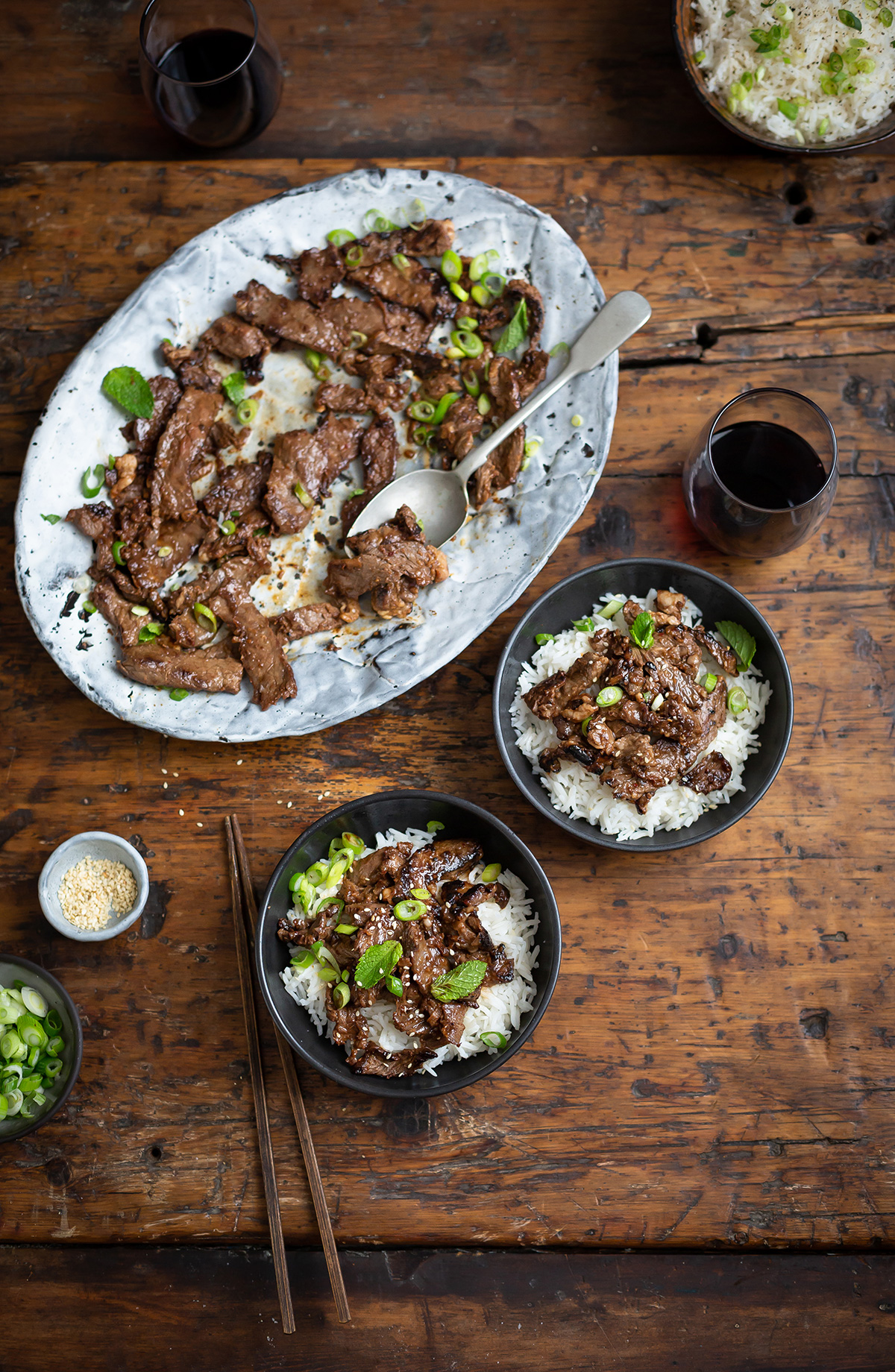
Beef bulgogi is one of those recipes that delivers a lot of flavour for very little effort. The name translates literally as “fire meat” in Korean, and it’s one of the country’s most beloved dishes: thin slices of beef marinated in a deeply savoury, slightly sweet sauce, then cooked fast over high heat until caramelised at the edges and tender throughout. It’s quick, it’s delicious, and once you’ve made it, you’ll find yourself coming back to it regularly.
The marinade does most of the work here. Soy sauce, sesame oil, gochujang, ginger, garlic, a little brown sugar, and grated pear or apple come together to create something genuinely complex. The fruit is the detail that makes it: it adds natural sweetness and contains enzymes that tenderise the meat as it marinates. Don’t skip it.
Marinate the beef for as long as you can. A few hours works well, but overnight is better. The longer the meat sits in the marinade, the deeper the flavour and the more tender the result. Then the actual cooking takes under ten minutes. That ratio is exactly why this recipe works so well on a weeknight.

What cut of beef to use for bulgogi
Rib-eye is my first choice. It has beautiful marbling, which keeps the thin strips moist and flavourful during the fast, high-heat cook. Sirloin works well, too. The key, regardless of cut, is slicing the meat very thinly, ideally no thicker than 3mm. The easiest way to do this is to put the steak in the freezer for about an hour before you slice it. Partially frozen meat firms up just enough to make thin, even slices straightforward without needing a mandoline or any special equipment.
What is gochujang?
Gochujang is a Korean fermented chilli paste made from red chilli, glutinous rice, fermented soybean, and salt. It has a rich, deep heat that is earthy and slightly smoky rather than sharp, and it adds real complexity to the marinade. You’ll find it at most Asian supermarkets and increasingly in mainstream grocery stores too. It keeps well in the fridge for months once opened, and it’s worth having on hand for dishes like this as well as for adding depth to stews, dressings, and glazes.
If you genuinely can’t find gochujang, a small amount of sriracha or sambal oelek will give you heat, though the flavour profile will be different. The gochujang is worth tracking down if you can.
The Best Food Shops in Cape Town.

How to serve beef bulgogi
Steamed basmati rice and simply cooked greens are the classic pairing, and they’re all you need. The rice soaks up the cooking juices beautifully. Scattered sliced spring onions, torn fresh mint leaves, and a handful of toasted sesame seeds on top add freshness and texture.
Bulgogi also works served in crisp lettuce leaves as a kind of Korean-style taco, which makes it a great option if you’re eating lighter or want something more hands-on at the table. Butter lettuce or cos leaves hold up well to the filling without wilting.
On the wine front, this pairs beautifully with a medium-bodied, fruit-driven red. The Kanonkop Kadette Pinotage is a great match: its berry character stands up to the richness of the beef and holds its own against the chilli without fighting it.
Tips for the best beef bulgogi
Slice the beef as thinly as you can. Partially freezing it first makes this much easier. Cook the strips in batches rather than crowding the pan — overcrowding causes the meat to steam rather than sear, and you lose the caramelisation that makes this dish so good. A very hot nonstick skillet or griddle pan is ideal. Have everything ready before you start cooking because the meat goes quickly and needs to be served immediately.
I developed this recipe for Kanonkop to pair with their Kadette Pinotage, a medium-bodied, berry-driven wine that is delicious and easy to drink.

FAQs for Beef Bulgogi
Can I use a different cut of beef for bulgogi?
Rib-eye is ideal for its marbling and tenderness, but sirloin works well too. Avoid very lean cuts like rump as they can turn dry and tough when sliced this thin and cooked at high heat. Whatever cut you use, partially freezing the meat before slicing makes the process much easier.
Can I make beef bulgogi without gochujang?
The gochujang is a key part of the marinade’s flavour, but you can substitute it with a small amount of sriracha or another chilli paste in a pinch. The result will be less complex but still good. If you’re avoiding heat altogether, leave it out and add a little extra soy sauce and sesame oil instead.
How long should I marinate the beef?
A minimum of two hours gives good results, but overnight is best. The longer the meat marinates, the deeper the flavour and the more tender the strips will be. Don’t marinate for more than 24 hours or the texture can start to break down too much.
Can I cook beef bulgogi on a barbecue?
Absolutely. Bulgogi is traditionally cooked over a charcoal grill, and the smoky char adds an extra layer of flavour. Use a grill basket or a fine-mesh grill mat so the thin strips don’t fall through, and cook over high heat in batches just as you would in a pan.
Can I use chicken or pork instead of beef?
Yes. Both work well with the same marinade. Pork shoulder or pork belly, thinly sliced, are classic alternatives in Korean cooking. Chicken thigh, sliced thinly, is also great. Adjust the cooking time as needed depending on the protein.
How do I store and reheat leftover bulgogi?
Store leftover bulgogi in an airtight container in the fridge for up to three days. Reheat quickly in a hot pan for the best texture, or in the microwave if you’re short on time. The flavour is just as good the next day, and leftovers make an excellent rice bowl with whatever greens you have on hand.
Beef Bulgogi – serves 2 – 4 people, depending on what else you have going on
Adapted from Damndelicious
Beef Bulgogi Recipe

Ingredients
Marinade:
- ¼ of a pear or apple very finely grated
- 3 garlic cloves crushed
- 3 Tbs soy sauce
- 1 Tbs Gochujang a Korean chilli paste
- 1 Tbsp grated ginger
- 2 Tbsp brown sugar + 1 tsp
- 1 Tbsp sesame oil
- 2-3 Tbsp sunflower oil or other neutral cooking oil
Bulgogi:
- 500 grams rib-eye steak off the bone
- Sliced spring onions and mint leaves to serve
- Toasted sesame seeds to serve optional
- Basmati rice and steamed green vegetables.
Instructions
Make in advance:
- Mix all the marinade ingredients together in a medium-sized bowl. If you are making this in advance, pour this into a large Ziploc bag.
- Cut the beef into very thin slices and toss this through the marinade (either in the bowl or in the bag). Really ensure that all the sauce coats the meat well. Place in the fridge for a few hours or overnight.
- Before you are ready to cook, take the meat out of the fridge and bring it to room temperature. Make your rice and any steamed green vegetable sides.
- Heat a large nonstick skillet or griddle pan to searing hot.
- Cook the strips in batches, flipping when they are starting to char slightly. This goes very quickly because the meat is thin. Remove and set aside. You may need to wipe the pan down between each batch.
- Scatter over sliced spring onions and torn mint leaves and serve immediately with the beef.
Notes
You may also like my: Viral Blanket Pork Dumplings
For more beef recipes:
Roast fillet of beef with creamy mushroom sauce
Slow-braised beef brisket ragu with pappardelle
BUY MY eBOOK COMFORT
Find me on Instagram & Pinterest
